
Temples in Japan: 15 Must-Visit Wonders in 2026
Japan’s temples are among the country’s most fascinating attractions. They blend history, religion, architecture, gardens, and natural beauty into experiences that often become the highlight of a trip. Whether you’re visiting Kyoto’s famous landmarks, exploring ancient Nara, or venturing into the mountains of Wakayama, Japan’s temples offer a glimpse into traditions that have shaped the nation for more than a thousand years.
This guide works best for travelers planning a sightseeing-focused trip to Japan. It won’t help much if your goal is academic research into Buddhist history or temple sects.
Temples in Japan are Buddhist religious sites used for worship, meditation, ceremonies, and cultural preservation. Many also serve as important historical landmarks and tourist attractions.
According to Japan’s Agency for Cultural Affairs, Japan is home to more than 76,000 Buddhist temples, making it one of the world’s richest destinations for religious and cultural tourism.
Why Are Temples in Japan So Popular?
Japan has thousands of temples, yet millions of visitors travel across the country every year to see them.
The reason is simple.
Each temple offers something different.
Some are famous for giant Buddha statues. Others attract visitors with stunning gardens, mountain settings, ancient wooden architecture, or seasonal scenery. Many travelers discover that temples become more memorable than modern attractions because they provide a stronger connection to Japanese culture and history.
The most famous temples in Japan attract visitors because they combine cultural significance, remarkable architecture, and unique settings that cannot be replicated elsewhere.
According to the Japan National Tourism Organization, cultural tourism remains one of the primary reasons international travelers visit Kyoto and Nara.
Quick Comparison
| Option | Best For | Key Benefit | Limitation |
|---|---|---|---|
| Kiyomizu-dera | First-time visitors | Iconic Kyoto views | Crowded during peak seasons |
| Todai-ji | History lovers | Massive Buddha statue | Large tour groups |
| Kinkaku-ji | Photography | Famous Golden Pavilion | Limited exploration areas |
| Senso-ji | Tokyo visitors | Easy access | Commercial surroundings |
| Kongobu-ji | Spiritual travelers | Mountain atmosphere | Requires extra travel time |
Many travelers focus only on Kyoto.
That can be a mistake.
Some of Japan’s most impressive temples are located outside the country’s former capital.
15 Best Temples in Japan to Visit
1. Kiyomizu-dera, Kyoto
No list of temples in Japan is complete without Kiyomizu-dera.
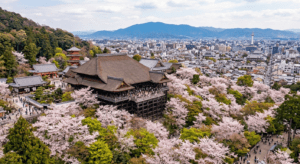
Founded in 778, this UNESCO World Heritage Site sits on the slopes of eastern Kyoto and offers spectacular views over the city. Its famous wooden stage extends from the main hall without using a single nail.
Visitors who arrive early enjoy a completely different experience compared to those arriving later in the morning. By 10 a.m., the pathways often become crowded, especially during spring and autumn.
The temple is particularly beautiful during cherry blossom season and autumn foliage.
2. Todai-ji, Nara
Todai-ji houses one of the largest bronze Buddha statues in the world.
The temple’s Great Buddha Hall remains one of the largest wooden buildings ever constructed. Walking inside creates a sense of scale that photographs rarely capture accurately.
Most people assume Kyoto has Japan’s most impressive religious structures. The data says otherwise. Todai-ji’s massive hall continues to surprise even experienced travelers.
The nearby deer park adds another memorable element to the visit.
3. Kinkaku-ji, Kyoto
Known worldwide as the Golden Pavilion, Kinkaku-ji is arguably Japan’s most recognizable temple.
Its upper floors are covered in gold leaf, creating a stunning reflection across the surrounding pond. The setting appears almost unreal on clear days.
Some experienced travelers argue that Kinkaku-ji feels too touristy.
That’s a fair criticism.
Yet first-time visitors rarely regret seeing one of Japan’s most iconic landmarks.
4. Senso-ji, Tokyo
Tokyo’s oldest temple dates back to the 7th century.
Located in Asakusa, Senso-ji combines historical significance with urban energy. Visitors pass through the famous Kaminarimon Gate before walking along Nakamise Street, where traditional snacks and souvenirs are sold.
The contrast between ancient temple architecture and modern Tokyo skyscrapers creates a uniquely Japanese experience.
5. Byodo-in, Uji
Byodo-in is one of Japan’s finest examples of Pure Land Buddhist architecture.
Its Phoenix Hall appears on the Japanese 10-yen coin and attracts architecture enthusiasts from around the world.
The temple’s reflection in the surrounding pond creates one of the country’s most elegant cultural landscapes.
6. Ryoan-ji, Kyoto
Ryoan-ji is famous for its Zen rock garden.
At first glance, the garden appears deceptively simple. Fifteen carefully positioned stones rest within a bed of white gravel.
Here’s the thing:
Many visitors spend only a few minutes here. Those who sit quietly for twenty minutes often leave with a completely different appreciation for the site’s design and symbolism.
7. Ginkaku-ji, Kyoto
Despite being called the Silver Pavilion, Ginkaku-ji was never covered in silver.
The temple remains famous because of its refined gardens, peaceful atmosphere, and influence on Japanese aesthetics.
Travelers looking for a quieter alternative to Kinkaku-ji frequently prefer Ginkaku-ji.
8. Sanjusangendo, Kyoto
Sanjusangendo houses 1,001 statues of Kannon, the Buddhist goddess of mercy.
The sight is unforgettable.
Rows of golden statues stretch across the hall, creating one of Japan’s most visually striking religious interiors.
Photography is prohibited inside, which encourages visitors to experience the temple without distractions.
9. Enryaku-ji, Mount Hiei
Located high above Kyoto, Enryaku-ji played a crucial role in Japanese Buddhism.
The mountain setting adds to the temple’s appeal. Forest paths, cool air, and panoramic views create a peaceful atmosphere rarely found in city temples.
Many tourists overlook this site.
They shouldn’t.
10. Kongobu-ji, Mount Koya
Mount Koya is one of Japan’s most important religious destinations.
Kongobu-ji serves as the headquarters of Shingon Buddhism and offers visitors a deeper understanding of monastic traditions.
Travelers can even stay overnight in temple lodgings nearby.
This often becomes a trip highlight.
11. Horyu-ji, Nara
Horyu-ji contains some of the oldest surviving wooden buildings in the world.
Founded in the early 7th century, the temple provides a remarkable glimpse into Japan’s ancient past.
History enthusiasts often rank Horyu-ji among the country’s most significant cultural sites.
12. Shitenno-ji, Osaka
Established in 593, Shitenno-ji is considered Japan’s first officially administered Buddhist temple.
Although modern reconstructions exist, the temple preserves important historical traditions and remains a significant place of worship.
Its central Osaka location makes it easy to include in a city itinerary.
13. Zenkō-ji, Nagano
Zenkō-ji attracts pilgrims from across Japan.
The temple is known for housing one of Japan’s oldest Buddhist images, although the sacred object is rarely displayed publicly.
Visitors can participate in a unique underground passage experience beneath the main hall.
14. Naritasan Shinshoji, Narita
Most international travelers know Narita because of the airport.
Few realize that one of Japan’s most beautiful temple complexes sits nearby.
Naritasan Shinshoji features impressive gates, peaceful gardens, and several temple buildings surrounded by traditional landscapes.
It’s an excellent stop before or after a flight.
15. Kofuku-ji, Nara
Kofuku-ji was once among Japan’s most powerful temples.
Its five-story pagoda remains one of the country’s most recognizable historical structures.
The temple complex also houses an outstanding collection of Buddhist art and artifacts.
How to Plan a Temple-Focused Japan Itinerary
Planning matters.
Trying to visit too many temples often leads to exhaustion rather than enjoyment.
To build a successful temple itinerary, follow these steps:
- Choose your main region.
- Prioritize three major temples daily.
- Visit popular sites early morning.
Most travelers can comfortably explore two or three significant temples per day without feeling rushed.
Look — if you’re in a situation where you only have four days in Japan, here’s what actually works. Spend two days in Kyoto, one day in Nara, and one day in Tokyo. This combination covers many of the country’s most important cultural landmarks.
Kyoto vs Nara Temples
Kyoto temples vs Nara temples: Kyoto is better suited for travelers seeking variety because it contains dozens of famous sites within a relatively compact area. Nara works better for visitors interested in early Japanese history. The key difference is concentration versus historical significance.
I’ve seen conflicting data—some travel surveys rank Kyoto as Japan’s best cultural destination, while others place Nara at the top for historical importance. My view is that Kyoto offers a stronger first impression, while Nara rewards deeper exploration.
Best Time to Visit Temples in Japan
Timing can dramatically affect your experience.
Spring remains the most popular season because cherry blossoms create stunning scenery around many temple grounds.
Autumn is equally impressive. Red and gold leaves transform temple gardens into some of the most photographed landscapes in Asia.
Summer brings lush greenery but also heat and humidity.
Winter receives fewer visitors.
That’s not always a disadvantage.
Many photographers consider snowy temple scenes among the most beautiful images Japan can offer.
Temple Etiquette Tips
Visitors should respect local customs while exploring religious sites.
Common etiquette includes:
- Speaking quietly.
- Avoiding restricted areas.
- Removing shoes where required.
- Following photography rules.
- Respecting worshippers.
Users who’ve ignored these customs often report uncomfortable interactions with staff or other visitors.
A little awareness goes a long way.
Common Mistakes Travelers Make
One of the biggest mistakes is arriving too late.
Popular temples become significantly busier after tour groups arrive.
Another common error involves treating every temple the same. Different sites offer very different experiences, from Zen meditation gardens to enormous wooden halls housing giant Buddha statues.
Quick note:
Quality beats quantity.
Three memorable temple visits usually create stronger memories than rushing through ten locations in a single day.
What most guides skip is transportation planning. Temple opening hours, train schedules, and seasonal crowd patterns can influence your experience more than the temple choice itself.
Frequently Asked Questions
Q: What’s the best temple in Japan for first-time visitors?
A: Kiyomizu-dera is often the best choice because it combines history, architecture, scenic views, and easy access.
Q: How do I avoid crowds at Japanese temples?
A: Visit before 8 a.m., choose weekdays, and avoid national holidays whenever possible.
Q: Should I visit temples in Kyoto or Tokyo?
A: Kyoto offers more famous temples, while Tokyo provides greater convenience and accessibility.
Q: Why does Todai-ji attract so many visitors?
A: Its enormous Buddha statue and historic wooden hall make it one of Japan’s most significant religious sites.
Q: When should I visit temples in Japan?
A: Spring and autumn generally provide the best weather and scenery, though winter offers fewer crowds.
Final Thoughts
Japan’s temples are far more than tourist attractions. They represent centuries of history, spirituality, craftsmanship, and cultural development.
Whether you choose Kyoto’s famous landmarks, Nara’s ancient treasures, or the mountain temples of Mount Koya, each destination offers something unique.
The best temple isn’t always the most famous one.
Or maybe I should say it this way: the best temple is the one that leaves you standing still for a few extra moments after everyone else has moved on.
That feeling is why so many travelers remember Japan’s temples long after the trip ends.