
How to Jump Start a Car Safely: Step-by-Step Guide for Beginners in the USA
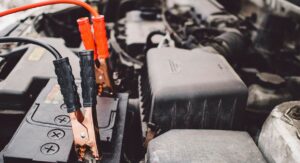
A dead battery can leave you stranded at the worst possible moment, turning a normal day into a stressful emergency. Learning how to jump start a car ensures you can get back on the road quickly and safely. Whether your car won’t start in freezing winter mornings or after leaving lights on overnight, understanding the correct jump start steps can save time, money, and frustration.
Using the right jumper cables / jump leads or a portable battery pack, along with safe techniques, helps revive a flat car battery without damaging your vehicle. This guide explains the complete process for beginners in simple, reliable terms.
What Does It Mean to Jump Start a Car?
Jump starting means giving temporary power from another source to a weak battery so the engine can turn over. That outside power wakes up the electrical system long enough for the alternator to work again. Once the engine runs, the car begins making its own electricity.
Most drivers jump start using a second vehicle with charged battery support or a portable battery pack. Electricity flows through jumper cables / jump leads into the weak battery. From there, the starter motor spins and the engine fires. This is the most common method of starting a car with flat battery power.
Common Reasons a Car Battery Dies
Batteries rarely fail without warning. Headlights left on overnight slowly drain energy. Short daily drives never allow a full battery recharge. Over time, this leads to battery failure that shows up when you least expect it.
Weather makes it worse. Summer heat damages internal parts. Cold thickens oil and causes classic winter car battery problems. Corrosion on car battery terminals blocks current flow. Aging batteries simply lose capacity. All these issues create the moment when a car won’t start.
What You Need to Jump Start a Car
To properly jump start a car, you need a safe power source and a way to move electricity. Traditional setups use jumper cables and another vehicle. Many modern drivers also carry a car battery booster for emergencies.
Here’s a simple comparison of common jump-start tools.
Tool | Purpose | Why it helps beginners
Jumper cables | Transfer power from another car | Easy to find and widely supported
Portable jump starter | Supplies power without another car | Works alone and stores easily
Battery charger | Restores long-term battery health | Helps recharge the battery fully at home
Always check owner’s manual instructions first. Some vehicles place batteries in the trunk or under seats, which changes connection points.
Important Safety Precautions Before Jump Starting a Car
Safety always comes first. Park both cars on firm ground. Engage parking brakes. Turn ignitions off. Make sure electrical systems switched off like lights and radios. This reduces surges and protects electronics.
Inspect both batteries and cables. Cracks, leaks, or swelling signal danger. Remove metal jewelry. Battery gases can ignite, so avoid sparks near battery areas. If anything looks damaged, stop and seek breakdown assistance or roadside assistance instead.
How to Jump Start a Car — Step-by-Step Method
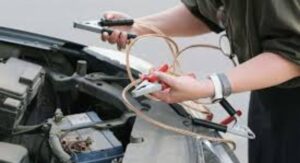
Every safe guide on how to properly jump start a car follows a clear sequence. The order controls where electricity flows. Skipping steps increases risk. Following them protects both vehicles and keeps the process calm and controlled.
These instructions apply to most gasoline vehicles. Always avoid hybrid or electric vehicles unless the manual clearly approves jump starting.
Step 1–3: Positioning the Cars & Connecting Cables
Park the working car close without touching. Open both hoods. Locate the positive terminal and negative terminal on each battery. They are usually marked with plus and minus signs. First, connect red lead to positive terminal on the weak battery. Then attach the other red clamp to the strong battery.
Next, connect the black clamp to the strong battery. Connect black lead to negative terminal there. The final black clamp must go to an earth point on engine, which means a solid metal part of the engine away from the battery. This placement improves jump start safety and reduces spark risk.
Step 4–7: Starting the Cars in the Correct Order
Start the working vehicle first. Let it idle for a minute. This stabilizes voltage. Then attempt to start the disabled car. When it catches, the sound changes instantly. The engine smooths. Lights brighten. That means power is flowing.
If the car won’t jump start after several tries, stop. Continuous cranking overheats components. This often signals deeper trouble like a failed starter or severe battery failure. At that stage, professional mechanic help becomes the safer option.
Step 8–10: Safely Disconnecting the Jumper Cables
Once the engine runs, let it idle. Leave engine running for five minutes so the alternator can build charge. Then begin removing clamps in reverse order. Start with the ground clamp, then the black clamp on the donor battery, followed by the red clamp from the donor battery, and finally the red clamp from the revived car.
This sequence helps safely remove jump leads without short circuits. When all cables are clear, gently restart the engine to confirm stability.
How to Jump Start a Car by Yourself (Without Another Car)
A portable battery pack offers an excellent emergency option when no helper car is nearby. These compact units store power and release a strong surge to the battery. Many now include smart protection against reversed connections and overloads.
Using one follows the same logic. Red clamp to positive. Black clamp to an engine ground. Power the unit on. Start the car. Afterward, turn the unit off and disconnect. For many drivers, this device is the best emergency car battery solution.
What to Do After Successfully Jump Starting Your Car
Jump starting wakes the battery. It doesn’t repair it. After the engine runs, take the car for a steady drive. Avoid heavy traffic. Drive for 30 minutes so the alternator can restore surface charge.
For long-term health, use a car battery charger at home. Slow charging fills cells more completely. If the battery drains again soon, have it tested. Many U.S. auto parts stores offer free checks that reveal hidden signs of battery failure.
Why Your Car Still Won’t Jump Start
Sometimes a jump start does nothing. This usually means the problem goes beyond a weak battery. A completely failed battery can’t hold energy. A bad starter prevents cranking. A faulty alternator stops charging. Blown fuses interrupt current flow.
Loose or corroded connections also block electricity. When a car won’t respond after correct steps, repeated attempts only waste time. That’s when roadside assistance or a repair shop can diagnose the real cause.
Common Jump Starting Mistakes to Avoid
Many beginners rush. They reverse clamps. They attach black directly to a dead battery. They rev engines hard. These jump starting mistakes can damage electronics or create sparks.
Another common error is disconnecting too quickly. The battery needs time to stabilize. Removing cables instantly can stall the engine again. Calm steps and correct order prevent unnecessary trouble.
How to Prevent Your Car Battery from Dying Again
Prevention saves the most stress. Longer weekly drives help batteries stay charged. Short daily trips don’t. Cleaning corrosion from terminals improves current flow. Parking in shade protects from heat damage. Cold-region drivers benefit from maintenance chargers during winter.
Most car batteries last three to five years in U.S. conditions. Replacing aging units early helps prevent battery from dying unexpectedly and reduces future reliance on jump starts.