
How to Change a Tire: Step-by-Step Flat Tire Guide for Beginners
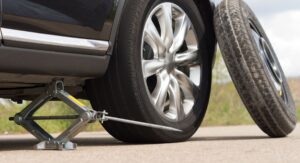
A flat tire can strike without warning, leaving you stranded in a stressful emergency roadside situation. Knowing how to change a tire gives you confidence and control when it matters most. Whether you are commuting, taking a road trip, or driving at night, being prepared for a roadside tire change can save time, money, and potential accidents.
With the right tools, proper technique, and understanding of flat tire safety, even a beginner can complete a safe emergency tire replacement. This guide walks you step by step through the process, from finding a safe location to change a tire to finishing with a fully secure spare.
Why Knowing How to Change a Tire Is Important
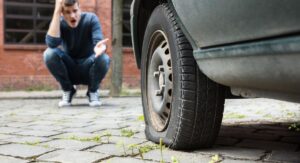
A flat tire often strikes when help feels far away. On quiet highways or late-night roads, assistance may take hours. When you know how to change a flat tire, you control the moment. You save time. You avoid expensive towing. You stay mobile when others feel stuck.
Beyond convenience, this skill supports flat tire safety. You avoid standing helpless near fast traffic. You prevent wheel damage. You reduce panic. Confidence behind the wheel doesn’t only come from driving. It comes from knowing you can solve problems when driving suddenly stops.
Things to Do First Before Changing a Tire (Safety Comes First)
Before tools touch metal, your surroundings matter. Always find a safe location to change a tire. Choose bold safe, level ground. Bold avoid soft ground and hills because unstable soil can tip a jack. Bold park away from traffic so passing cars don’t brush your door. Immediately bold turn on hazard lights to warn other drivers.
Once stopped, make sure the bold parking brake applied. Place bold wheel wedges / wheel chocks to bold prevent rolling. This moment defines success. Good preparation turns a stressful stop into a controlled situation and protects you before the real work begins.
Tools You Will Need to Change a Flat Tire
Most vehicles include basics in the trunk or cargo area. These usually include a jack, a lug wrench, and a spare tire. Your bold vehicle owner’s manual shows exact locations and explains safe lifting points for a proper roadside tire change.
Smart drivers carry more. A flashlight helps at night. Gloves protect skin. A reflective vest improves visibility. A gauge supports a proper bold tire pressure check. These small additions transform frustration into efficiency. A stocked bold roadside emergency kit doesn’t just prepare you. It protects you.
Understanding Your Spare Tire (Before You Install It)
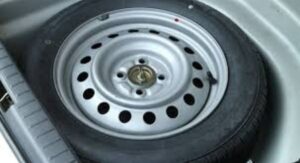
Not all spares are equal. Many cars use a bold temporary spare tire, often called a donut. These compact tires save space but sacrifice durability. They handle differently. They brake differently. They limit how far and how fast you should drive.
Temporary tires carry bold temporary spare limitations. They aren’t designed for long trips or highway speeds. Treat them like a short bridge to safety, not a permanent road. Knowing this before you install spare tire keeps you from turning a simple flat into a bigger problem.
Step-by-Step Guide on How to Change a Flat Tire
Start by confirming your space is secure. With bold hazard lights on, position wedges and locate the bold exposed metal jack point listed in your manual. Begin bold lug nuts loosening before lifting the car. Bold loosen lug nuts counterclockwise while the tire still touches ground. This prevents spinning.
Now bold jack up the car using the correct bold car jack position. Bold raise vehicle with jack until the tire clears the surface. Fully remove the nuts and bold remove flat tire. Bold grip tire by the treads and pull outward. To begin bold spare tire installation, bold align rim with lug bolts, slide it on, then bold hand-tighten lug nuts.
Finishing the Tire Change Safely
Next comes lowering. Bold lower vehicle slowly until the tire lightly touches the ground. Now bold tighten lug nuts in a star pattern. Lower again until the bold full weight of the car rests on the wheel. Tighten once more. Then bold recheck lug nuts to confirm security.
Finish strong. Bold stow equipment in the trunk. Perform a final bold tire pressure check. If pressure looks low, bold visit a service station immediately. After any emergency tire replacement, always bold visit a technician after tire change to inspect the damaged tire.
Correct Way to Tighten Lug Nuts (Patterns Explained)
Lug nuts don’t like uneven force. Tightening them in a circle can warp wheels. The star pattern spreads pressure evenly. This protects the rim, brake rotor, and suspension parts.
Think of drawing lines across the wheel instead of around it. Each turn balances the last. Even when tired, follow the pattern. Correct tightening transforms a quick fix into a safe repair that lasts.
What to Do After Changing a Tire
Once you’re driving again, stay alert. Spares handle differently. Steering may feel light. Braking may feel slower. Bold drive cautiously and avoid sharp turns or fast lanes.
Within a short distance, stop and bold recheck lug nuts. Vibration can loosen metal. Then schedule professional service. Technicians can repair or replace the damaged tire and restore full safety.
Common Mistakes to Avoid When Changing a Tire
Rushing creates errors. Skipping wedges allows movement. Jacking on slopes invites collapse. Forgetting lights makes you invisible. Many beginners also lift the car before loosening nuts, which wastes strength and time.
Another mistake is overconfidence. Driving far on spares destroys them. Ignoring pressure damages rims. Every careful step saves money. Every rushed step adds risk.
When You Should Not Change a Tire Yourself
Some situations demand restraint. Busy highways. Blind curves. Violent storms. Soft shoulders. These conditions turn a flat tire into a serious hazard.
In these moments, stay inside your vehicle with seatbelt fastened and lights flashing. Call professional roadside services. Sometimes, the smartest way to change a flat tire is knowing when not to try. Your safety always comes first.
Pingback: How Many Miles Do Tires Last? Avoid Early Wear and Costly Replacements 1