
How To Check Tire Pressure
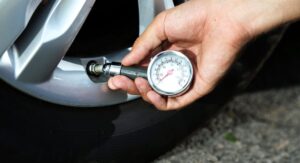
Learning how to check tire pressure protects your car, your wallet, and your life. Tires carry every mile you drive. When pressure drifts, safety fades. Many drivers ignore this simple habit. That mistake shortens tire life, raises fuel costs, and increases crash risk.
Pressure changes quietly. During the cooler months, cold temperatures slow air molecules, causing reduced pressure. After driving, friction from driving warms rubber and creates heated tires that give false readings. Knowing the right method keeps your tires strong, balanced, and road-ready.
What Is Tire Pressure and Why It Matters for Your Safety
Tire pressure measures how much air supports your car inside the tire. It’s shown in pounds per square inch (psi). The proper tire pressure keeps the tire firm enough to hold weight and soft enough to grip pavement. This balance protects vehicle safety every mile.
When pressure drifts, grip changes. Braking grows weaker. Steering loses clarity. Tire performance suffers quietly until danger appears. Keeping the correct psi helps tires flex the right way, absorb bumps, and hold corners without slipping.
Signs Your Tire Pressure Is Too Low or Too High
Low air flattens tires. High air hardens them. Low tire pressure often brings heavy steering, heat buildup, and visible sag. Underinflated tires wear edges faster and invite failure. Drivers may feel vibration, longer stops, or notice poor handling.
Too much air stiffens rubber. Overinflated tires shrink the contact patch. The ride turns harsh. The center tread thins quickly. Both extremes increase tire tread wear and raise hydroplaning risk during rain.
When and How Often You Should Check Your Tire Pressure
The best time to check tire pressure is before driving. Tires should be cold. That’s called cold tire pressure. Morning checks work best. Avoid readings after highway trips, since heat expands air.
A monthly tire pressure check prevents silent damage. Also check before long drives, after big weather changes, or if you roll over a sharp object or hit a curb. Pressure can drop without warning.
How to Find the Recommended Tire Pressure for Your Car
Every car has a factory target. The recommended tire pressure appears on a tire placard inside the driver’s side door jamb. Some vehicles list it in the trunk or glove box. The manual confirms it.
Ignore the tire sidewall number. That shows maximum capacity, not driving needs. Always follow the manufacturer’s recommendations. They account for weight, balance, and suspension design.
Preparing to Check Your Tire Pressure
Before starting, park on level ground. Let tires cool. Gather a tire pressure gauge from a local auto parts store. Both a manual tire gauge and a digital tire gauge work well.
Remove the air valve cap from the valve stem. Keep it safe. Choose a dial gauge if you like simple mechanics. Digital models offer quick numbers. Either gives an accurate tire pressure reading.
Step-by-Step Guide: How to Check Tire Pressure Correctly
Press the gauge firmly onto the valve. Listen for a brief seal. A soft hiss means the gauge is seating. Read the number. That number is your current pressure. Compare it to the door label.
Repeat on all four tires. Don’t forget the spare. Small differences matter. Tracking readings helps spot slow leaks and supports steady tire maintenance.
How to Fill Your Car Tires with Air the Right Way
When pressure falls, it’s time to inflate car tires. Use a gas station air pump or a home compressor. Attach the hose nozzle straight. Squeeze the inflation lever in short bursts.
Pause often. Recheck. Add slowly. This method helps you fill car tire with air without overshooting. Stop exactly at the factory number for proper tire inflation.
How to Release Air from Overinflated Tires Safely
Too much air needs a gentle fix. Press the small pin inside the valve. You’ll hear an air escaping sound. Release little by little. Then check again.
Continue until the reading matches the door label. Knowing how to release air from tires protects tread and keeps handling predictable.
What Happens If You Drive with Incorrect Tire Pressure
Driving on wrong pressure strains rubber and steel. It increases heat. It weakens sidewalls. Over time, tires lose structure. Blowouts become more likely. Fuel use climbs.
Incorrect pressure also harms comfort and control. Reduced ride quality, longer stops, and unpredictable slides appear. Risks like skidding and hydroplaning rise sharply in wet weather.
Final Tire Pressure Tips to Extend Tire Life and Improve Mileage
Consistency wins. Keep a gauge in the glove box. Log monthly checks. Inspect tread often. Balanced pressure supports even wear and better mileage.
Below is a simple guide many drivers use.
| Condition | Effect on Tires | Long-Term Result |
|---|---|---|
| Cold mornings | Pressure drops | Hidden underinflation |
| Highway driving | Pressure rises | Temporary expansion |
| Low pressure | Edge wear | Shortened tire life |
| High pressure | Center wear | Reduced grip |
| Correct pressure | Even contact | Longer tire longevity |