
How Long Do Car Batteries Last? Complete Guide to Lifespan, Signs & Maintenance

A healthy car battery keeps every vehicle moving smoothly. Many drivers often ask how long do car batteries last because the answer helps them avoid sudden breakdowns and costly repairs. A car battery powers the starter motor, supports electronics, and maintains stable electrical flow. Without it your car simply won’t start.
Understanding car battery lifespan also helps you plan maintenance before problems appear. Drivers in the United States often experience different battery life depending on climate, vehicle technology, and personal habits. Learning how batteries work, how to maintain them, and when to replace car battery parts can save time, money, and frustration.
Average Lifespan of a Car Battery
Most drivers notice that average car battery life usually falls between three and five years. However the exact car battery lifespan depends heavily on the vehicle’s electrical system and daily use. A well maintained battery may reach six years while a neglected battery may fail much earlier.
Daily usage patterns influence vehicle battery life significantly. Frequent short trips prevent the alternator from restoring full battery charge capacity. Meanwhile an inactive vehicle that sits unused for weeks can slowly develop a drained battery which reduces car battery strength and eventually causes poor starting performance.
Typical Car Battery Lifespan by Usage
| Driving Pattern | Estimated Battery Life |
|---|---|
| Regular highway driving | 4–6 years |
| Mixed city and highway driving | 3–5 years |
| Frequent short trips | 2–4 years |
| Long inactive periods | 2–3 years |
Types of Car Batteries and Their Lifespan
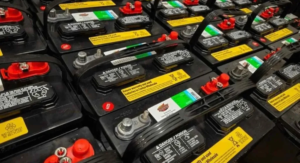
Modern vehicles use several battery technologies and each design affects car battery performance differently. Traditional lead-acid batteries remain common because they offer reliable starting power and affordable replacement costs. These batteries provide stable energy flow and remain a practical option for most everyday vehicles.
Advanced battery systems such as AGM batteries provide stronger car starting power and improved durability for vehicles with many electronic features. These designs resist vibration and support modern electrical systems better. The chemistry inside the battery directly influences vehicle battery life and determines how long drivers can safely delay battery replacement time.
Common Car Battery Types
| Battery Type | Key Benefit | Typical Lifespan |
|---|---|---|
| Lead-Acid Battery | Affordable and reliable | 3–5 years |
| AGM Battery | Stronger starting ability | 4–6 years |
| Lithium-Ion Battery | Lightweight and efficient | 5–8 years |
Factors That Affect Car Battery Life
Daily usage patterns play a major role in determining how long do car batteries last. Certain driving habits such as frequent idling or repeated short trips prevent the battery from fully recharging. Over time this reduces battery charge capacity which eventually leads to a weak car battery.
Maintenance also matters. Ignoring basic car battery maintenance tasks such as cleaning battery cables and clamps can allow battery corrosion to develop. Corrosion blocks proper electrical flow and slowly damages the battery. Regular car battery inspection helps detect issues early and keeps the car battery care routine effective.
Major Battery Life Factors
| Factor | Impact on Battery |
|---|---|
| Driving frequency | Affects charging cycles |
| Vehicle electronics | Increases power demand |
| Maintenance routine | Prevents battery corrosion |
| Charging system health | Maintains stable voltage |
How Climate and Temperature Impact Car Batteries
Temperature changes strongly affect car battery lifespan because batteries rely on chemical reactions to store energy. In a hot climate internal chemical reactions accelerate. This causes high temperature damage which increases evaporation of electrolytes and reduces battery durability.
Cold temperatures create a different problem. During cold weather the battery produces less power which lowers starting ability. When an extreme cold temperature arrives the battery may struggle to start the engine and drivers often notice battery losing strength during winter mornings.
Temperature Impact on Battery Performance
| Temperature Condition | Effect on Battery |
|---|---|
| Hot climate above 95°F | Faster internal wear |
| Mild temperature | Ideal operating condition |
| Cold weather below 32°F | Reduced car battery strength |
Signs Your Car Battery Is Dying
A failing battery often reveals several warning signals before complete failure. Drivers may notice slower engine cranking or dim headlights which indicate declining car battery performance. These early signs usually appear when the car battery lifespan approaches its final stage.
Another sign appears when the vehicle struggles to start repeatedly. This often signals a weak starting ability or a drained battery. If ignored the problem may eventually cause a dead battery leaving the driver with a stranded vehicle in an inconvenient location.
Common Warning Signs
| Symptom | What It Means |
|---|---|
| Slow engine start | Weak battery charge |
| Flickering lights | Reduced electrical flow |
| Clicking sound during ignition | Low car starting power |
| Dashboard battery warning | Electrical system problem |
How to Test a Car Battery at Home
Drivers can easily evaluate vehicle battery life at home with simple tools. A digital multimeter helps measure voltage levels and determine whether the battery maintains healthy battery charge capacity. When voltage falls below normal levels it often indicates the need to replace car battery components soon.
Battery testers available at auto stores can perform a deeper car battery inspection. These devices analyze internal resistance and detect battery corrosion or declining car battery strength. Regular testing helps drivers avoid unexpected breakdowns and maintain consistent car battery performance.
Voltage Guide for Battery Testing
| Battery Voltage | Battery Condition |
|---|---|
| 12.6 volts or higher | Fully charged |
| 12.4 volts | Moderate charge |
| 12.2 volts | Weak battery |
| Below 12 volts | Likely dead battery |
Tips to Extend the Lifespan of Your Car Battery
A consistent car battery care routine helps maximize battery durability and reduce the chance of early failure. Small habits such as reducing unnecessary electrical usage and following proper car battery maintenance steps significantly improve vehicle battery life.
Drivers who understand how long do car batteries last often adopt preventive habits. These include regular car battery inspection, careful monitoring of electrolyte levels in battery, and maintaining clean battery cables and clamps to ensure smooth energy flow.
Park in Shade or Garage
Parking in shaded areas protects batteries from prolonged heat exposure. Continuous exposure to a hot climate causes high temperature damage and accelerates evaporation of electrolytes. Cooler parking conditions help maintain stable battery charge capacity and improve overall car battery lifespan.
Drive the Car Regularly
Vehicles left unused for long periods develop power loss quickly. Scheduling a weekly drive helps recharge the battery and maintain reliable car starting power. Regular driving also prevents a drained battery that can reduce overall vehicle battery life.
Clean Battery Terminals
Dirty terminals restrict electrical flow and weaken car battery performance. Regular cleaning removes battery corrosion and improves conductivity between the battery and the vehicle. Clean battery cables and clamps also help maintain strong starting ability.
Avoid Short Trips
Frequent short trips reduce the time needed to fully recharge the battery. The alternator cannot restore full battery charge capacity during quick drives. Longer trips allow complete charging which improves car battery strength and extends the average car battery life.
Turn Off Electronics When Engine Is Off
Electrical accessories drain power even when the engine is off. Leaving lights or infotainment systems running often leads to a drained battery. Turning off accessories protects car battery lifespan and prevents drivers from facing a stranded vehicle.
When Should You Replace Your Car Battery
Most mechanics recommend replacing a battery once it reaches the typical battery replacement time of three to five years. Waiting longer increases the risk of unexpected failure especially if the battery already shows signs of battery losing strength.
A professional car battery inspection can confirm whether the battery still performs safely. If voltage readings drop frequently or the engine struggles to start it becomes wise to replace car battery components before a dead battery leaves the vehicle unable to start.
Battery Replacement Guide
| Battery Age | Recommended Action |
|---|---|
| 1–2 years | Routine inspection |
| 3 years | Test battery health |
| 4–5 years | Consider replacement |
| 5+ years | Replace immediately |
How Much Does a Car Battery Replacement Cost
In the United States the cost to replace car battery units varies depending on battery type and vehicle model. Standard replacements generally cost between $120 and $250 including installation. Premium vehicles with advanced battery systems may require higher investment.
AGM batteries used in newer vehicles cost more due to improved car battery performance and durability. However these batteries often deliver longer vehicle battery life which offsets the higher price over time.
Average Battery Replacement Costs
| Battery Type | Average Price |
|---|---|
| Standard Lead-Acid | $120 – $180 |
| AGM Battery | $180 – $300 |
| Premium or Luxury Vehicle Battery | $250 – $450 |
Conclusion
Understanding how long do car batteries last allows drivers to protect their vehicles from unexpected failure. Monitoring car battery lifespan, maintaining proper car battery maintenance, and scheduling regular car battery inspection help keep the electrical system reliable.
Drivers who follow a careful car battery care routine enjoy longer vehicle battery life and stronger car starting power. With proper care attention and timely battery replacement time, a car battery can remain dependable for years without causing stressful roadside problems
FAQs
Q1. How do I tell if my car needs a new battery?
If your car starts slowly, headlights appear dim, or you see a battery warning light, your battery may be weak. Frequent jump-starts or electrical issues also indicate it may need replacement.
Q2. Should a 7-year-old car battery be replaced?
Yes, most car batteries last 3–5 years, so a 7-year-old battery is well beyond its normal lifespan and should be replaced to avoid sudden failure.
Q3. What is the life expectancy of a car battery?
The average life expectancy of a car battery is about 3 to 5 years depending on driving habits, climate conditions, and regular maintenance.
Q4. What kills car batteries quickly?
Extreme heat, frequent short trips, leaving lights or electronics on, and long periods without driving can drain and damage a car battery quickly.
Q5. What are signs of a dying car battery?
Common signs include slow engine cranking, dim lights, clicking sounds when starting, dashboard battery warnings, and frequent need for jump-starts.
Pingback: 5 Ways to Get Rid of Headache Behind Eyes Fast: Causes, Symptoms, and Proven Relief