How Pakistan won over Trump to become an unlikely mediator in the Iran war
Pakistan’s role as intermediary in this conflict took many by surprise.
But perhaps it shouldn’t.
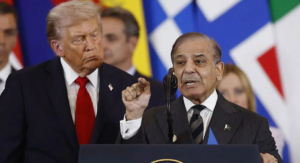
The head of its armed forces, Field Marshal Asim Munir, is in US President Donald Trump’s favour. The US leader frequently refers to him as his “favourite” Field Marshal and has previously spoken about how Munir knows Iran “better than most”.
Iran is not only a neighbour of Pakistan, with whom it shares a 900km (559 miles) or so border, but by its own messages also has a “brotherly” relationship with deep cultural and religious ties.
It also has no US air bases.
And unlike many of the usual intermediaries in the Gulf it has not yet been pulled into the conflict.
Crucially, it is willing to wade in – peace between the US and Iran by many accounts would be in its interest.
Still, there have been questions about how a country embroiled in conflict with two of its neighbours – Afghanistan and India – has positioned itself as a bringer of peace.
The country is currently bombing Afghanistan and tensions with India led to a fear of nuclear escalation only last year.
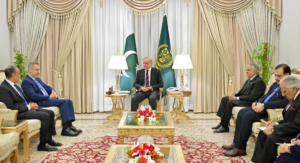
Pakistan has so far walked the tightrope between Iran and the US, passing messages between the two sides, hosting foreign ministers from other concerned Muslim nations and hitting the diplomatic telephones.
But the balancing act is not risk-free.
Much to lose
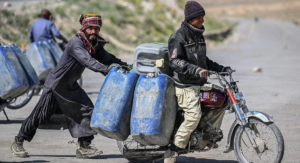
Pakistan is highly dependent on imported oil, much of it coming through the Strait of Hormuz.
“Pakistan, I’d argue, more than almost any other country outside of the Middle East has a lot of skin in the game here,” Michael Kugelman, a senior fellow for South Asia at the Atlantic Council, told the BBC.
“It has a really compelling interest to do what it can to contribute to de-escalation efforts.”
Pakistan’s government increased the price of petrol and diesel by around 20% at the start of March and has already introduced measures including a four-day working week for government employees to try to save fuel.