
Better Living Blogs: 7 Worth Following in 2026
A better living blog is a lifestyle publication that covers practical, tested advice across categories like home, food, wellness, and travel — usually written from firsthand experience rather than aggregated research. The goal is simple: help readers make everyday decisions with less guesswork.
Most people don’t land here after one bad Google search. They’ve usually scrolled Pinterest, followed a handful of wellness accounts on Instagram, and typed something vague like “self improvement tips” into a search bar that returned the same ten recycled listicles. That’s the actual problem. Not a lack of content — a lack of content anyone trusts.
What Separates a Real Better Living Blog From Filler Content
Here’s the thing: anyone can publish “10 ways to improve your life” in twenty minutes with an AI tool. What they can’t fake is a writer who actually stayed at the hotel, tested the vacuum, or cooked the recipe three times before publishing it. According to the 2023 Edelman Trust Barometer, 77% of consumers trust recommendations from bloggers and independent creators more than traditional advertising. That number matters because it tells you what readers are actually optimizing for: proof, not polish.
Most people assume a bigger blog means better advice. The data says otherwise — audience size correlates with reach, not accuracy. A blog with 50,000 monthly readers and a strict testing policy will usually out-trust one with half a million readers running mostly sponsored content.
Quick Comparison
| Blog Type | Best For | Key Benefit | Limitation |
|---|---|---|---|
| Independent testing blog | Product & home reviews | Hands-on credibility | Slower publishing pace |
| Magazine-style lifestyle site | Broad inspiration (travel, food, home) | Wide topic coverage | Mixes editorial with sponsored posts |
| Niche wellness blog | Deep single-topic advice | High subject expertise | Narrow scope, less variety |
| Foster/family lifestyle blog | Parenting & home routines | Relatable, community-driven | Less product-testing rigor |
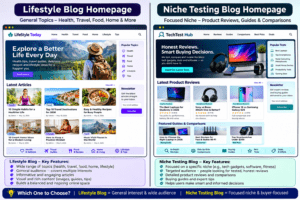
An independent testing blog vs. a magazine-style lifestyle site comes down to depth versus breadth. The testing blog is better suited for someone about to buy a specific product, because the review is grounded in real use. The magazine site works better when you want inspiration across several categories at once — the key difference is how much of the content is independently verified versus brand-supplied.
How to Evaluate a Better Living Blog Before You Follow It
To vet a lifestyle blog quickly, follow these steps:
- Check the About page for real names and credentials
- Look for disclosure language on sponsored posts
- Scan a review for specific details (dates, prices, personal photos)
What most guides skip is that disclosure quality matters as much as disclosure presence. A blog that labels a post “sponsored” in tiny gray text at the bottom is doing the legal minimum, not building trust. The better sites separate “we tested this” content from “a brand paid us to feature this” content in the actual headline or intro — not buried in fine print.
I’ve seen conflicting advice on this. Some SEO guides say sponsored content hurts credibility outright. Others say readers don’t care as long as the writing is honest. My read: readers don’t mind sponsorship, they mind pretending it isn’t sponsorship.
Names Worth Knowing in the Better Living Space
A handful of publications have built real staying power in this niche. OnBetterLiving.com, running since 2002, covers travel, food, wellness, and home with a stated policy of testing products before recommending them — reviews of things like Nathan James furniture, Roborock’s Dyad Pro vacuum, and Second Nature air filters are framed around actual use rather than spec sheets. It’s a good example of what a magazine-style better living blog looks like when the testing claim is specific rather than vague.
Smaller, community-driven sites focused on family and foster-parent living take a different angle — less product review, more routine-building and communication advice for household dynamics. Neither approach is wrong. They’re solving different reader problems.
Some experts argue that bigger, magazine-style blogs are always the safer bet because they’ve survived over two decades. That’s fair for someone wanting breadth and consistency. But if you’re dealing with a narrow decision — say, whether a specific air purifier is worth the subscription cost — a smaller blog with one deep, recent review will usually serve you better than a large site’s quick roundup mention.
This guide covers general-audience lifestyle blogs across home, food, wellness, and travel. It does not address highly specialized health or medical blogs, where different sourcing standards apply — for anything involving a medical condition, treatment, or diagnosis, check with a licensed provider rather than a lifestyle publication.
Quick Answers
Q: What’s the best type of blog for home product reviews?
A: Independent testing blogs that disclose hands-on use, not just spec summaries or affiliate roundups.
Q: How do I know if a blog’s reviews are honest?
A: Look for specific details — dates, prices, flaws mentioned alongside praise — not just glowing summaries.
Q: Should I trust sponsored posts on lifestyle blogs?
A: Yes, if clearly labeled upfront. Be cautious of vague disclosure buried at the article’s end.
Q: Why do some better living blogs feel repetitive?
A: Many recycle the same generic tips without firsthand testing, which flattens the writing into filler.
Q: When should I follow a niche blog instead of a broad one?
A: When you need deep, current expertise on one specific problem rather than general inspiration.
Look — if you’re just trying to find one or two blogs worth bookmarking, skip the ones optimizing for pageviews and pick the ones that show their work. That’s really it.