
The Ultimate Guide to Cooking Chicken Breast (Baking, Boiling & More)
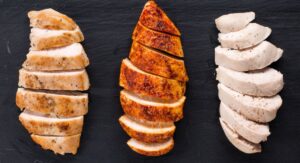
Cooking chicken breast should feel simple. Yet many home cooks struggle with dry texture or bland flavor. This guide explains The Ultimate Guide to Cooking Chicken Breast in clear steps. You will learn timing, temperature, texture control, and smart seasoning so every bite stays tender and juicy.
Across the United States, chicken breast remains a kitchen favorite. It works for quick weeknight meals and elegant dinners alike. When handled correctly, this versatile cut transforms into a dependable staple for everyday cooking chicken breast without stress.
Why Chicken Breast Is a Healthy & Popular Choice
Chicken breast stands out as a lean protein source that fits modern diets. A three-ounce portion delivers about 26 grams of protein with minimal fat. That balance makes it ideal for protein boost meals and balanced meal planning without excess calories. Families rely on it because it stays affordable year-round.
In American kitchens, boneless skinless chicken breast dominates grocery carts. It cooks quickly and adapts to almost any cuisine. As a budget friendly protein, it suits family dinner recipes and nutritious lunches alike. Its mild profile works as a neutral flavor protein that absorbs seasoning beautifully.
How to Bake Chicken Breast (Step-by-Step Guide)
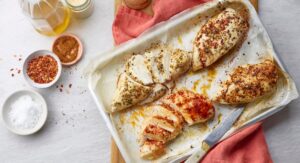
Baking remains one of the most reliable healthy cooking methods. To prepare oven baked chicken breast, preheat your oven and lightly oil the surface. Many chefs recommend to bake chicken at 400°F for even heat distribution. This temperature helps develop a golden caramelized exterior while keeping moisture inside.
Thickness controls timing. Use a simple chicken breast thickness guide to ensure you cook chicken evenly. Always confirm doneness with a meat thermometer reading and check the internal temperature 165°F, which meets the safe poultry temperature standard in the United States.
Chicken Cooking Time Chart
| Thickness | Temperature | Time |
|---|---|---|
| ½ inch | 400°F | 18–20 minutes |
| 1 inch | 400°F | 20–25 minutes |
| 1½ inch | 400°F | 25–30 minutes |
Tips for Juicy Baked Chicken Breast
Even baking can fail without moisture control. Pound thicker sections before placing your oven baked chicken breast on the tray. A short brine improves texture dramatically. Rest the meat after baking so juices settle evenly inside.
Use light oil or butter to protect the surface. This simple step prevents dryness. Proper heat circulation helps cook chicken evenly while preserving tenderness.
Best Seasonings & Marinades for Baking
Flavor makes cooking chicken breast exciting. Try bold herb and spice pairings like rosemary and garlic. Experiment with citrus flavor combinations such as lemon zest and thyme. Sweet lovers often prefer sweet and savory glazes made with honey and Dijon mustard.
American cooks enjoy Cajun blends, barbecue sauce, and smoked paprika. These seasonings elevate simple baked chicken into unforgettable family dinner recipes and vibrant quick weeknight meals.
How to Boil Chicken Breast Perfectly
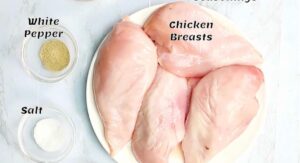
Boiling works best when done gently. Place chicken in water or broth and bring it to a light boil. Then reduce heat and simmer chicken breast slowly. The correct approach is to simmer 12–16 minutes depending on thickness. Avoid rapid boiling which tightens proteins.
This method produces tender shredded chicken breast for many dishes. Always verify doneness using a meat thermometer reading. Confirm the internal temperature 165°F before serving or shredding.
Boiling Frozen vs Thawed Chicken Breast
Cooking frozen chicken breast requires longer time. Increase simmering by roughly fifty percent. For safety, ensure the center reaches the safe poultry temperature before removing from heat.
Thawed meat cooks more evenly and produces softer texture. However, cooking frozen chicken breast works when time feels limited. Careful timing prevents toughness.
How to Keep Boiled Chicken Moist
Moisture begins with temperature control. Keep heat low while you simmer chicken breast. Gentle heat transforms it into tender poached chicken breast without dryness.
Add bay leaves or garlic into the broth. This builds subtle flavor depth. Allow resting time before slicing so juices remain locked inside.
Baking vs Boiling Chicken Breast – Which Is Better?
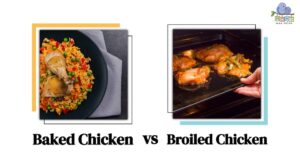
Baking produces stronger flavor and firmer texture. The oven baked chicken breast often develops a crisp surface that suits chicken for wraps and sandwiches. It also enhances seasoning complexity through dry heat.
Boiling offers softer texture and easier shredding. Shredded chicken breast shines in chicken for casseroles and chicken for pasta dishes. Both methods qualify as reliable approaches in The Ultimate Guide to Cooking Chicken Breast.
More Ways to Cook Chicken Breast
Beyond baking and boiling, many Americans prefer grilled chicken breast during summer cookouts. Direct heat adds smokiness and texture contrast. Indoors, pan seared chicken breast creates rich browning before finishing in the oven.
Modern kitchens embrace air fryer chicken breast for speed and crispness. Each approach supports diverse meal plans and expands cooking chicken breast possibilities.
Common Mistakes to Avoid When Cooking Chicken Breast
Overcooking remains the top error. Even five extra minutes can dry meat. Skipping a thermometer leads to guesswork and inconsistency.
Uneven thickness causes parts to overcook while others stay raw. Always use a chicken breast thickness guide to cook chicken evenly and maintain juiciness.
Chicken Breast Food Safety Guidelines
Food safety protects your household. Always wash hands after handling raw poultry. Store chicken below 40°F in the refrigerator.
Never rely on color alone. The only reliable indicator is the internal temperature 165°F which meets safe poultry temperature standards.
How to Store, Freeze & Reheat Cooked Chicken Breast
Refrigerate leftovers within two hours. Store in airtight containers for up to four days. Freeze for three months for best quality.
When reheating, use low heat. Cover meat with foil or add broth to maintain moisture. Gentle reheating keeps texture pleasant.
Meal Prep & Leftover Chicken Breast Ideas
Cooking chicken breast in batches simplifies weekly planning. Slice leftovers for salads or grain bowls. Shredded chicken breast transforms into tacos or soups.
Creative reuse supports balanced meal planning and reduces waste. Many households rely on this protein for efficient nutritious lunches and easy dinners.
Final Cooking Tips for Perfect Chicken Breast Every Time
Consistency leads to mastery. Measure thickness before baking or boiling. Use a reliable thermometer and confirm the internal temperature 165°F every time.
Respect rest time and seasoning. With patience and technique, The Ultimate Guide to Cooking Chicken Breast becomes practical knowledge you can apply daily.
FAQs
- How long should you boil chicken?
Boneless pieces usually need 12–16 minutes at a gentle simmer, while bone-in cuts may take 25–30 minutes until the internal temperature reaches 165°F. - Is it okay to defrost chicken by boiling it?
No, boiling to defrost isn’t safe because the outside can overcook while the inside stays frozen; thaw it in the refrigerator or cold water instead. - What are common mistakes when boiling chicken?
Using a rolling boil, overcooking, skipping a thermometer, and not seasoning the water are the most common mistakes. - Is 1 hour enough to boil chicken?
One hour is usually too long for boneless chicken and can make it dry; most cuts cook well under 30 minutes. - Should I add salt when boiling chicken?
Yes, adding salt improves flavor and helps the meat stay tender during cooking.