
Tokaj Hungary — The Wine Region Every Serious Traveler Gets Wrong
Most people arrive in Tokaj expecting a quaint village with a wine shop. What they find instead is a living landscape of volcanic hillsides, 400-year-old cellars, and a wine tradition that pre-dates almost every famous region in France. That gap between expectation and reality is exactly why this guide exists.
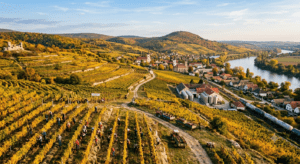
Tokaj refers to both a small town in northeastern Hungary and the broader wine-producing region surrounding it — roughly 28 villages spread across the foothills of the Zemplén Mountains. According to UNESCO, which inscribed the area as a World Heritage Site in 2002, it represents the world’s first officially classified wine region, predating even Bordeaux’s classification system by over a century.
What Is Tokaj Hungary? (Featured Snippet Block A)
Tokaj Hungary is a historic wine region in northeastern Hungary, situated near the Slovak border, producing the renowned Tokaji Aszú dessert wine. The region covers approximately 5,500 hectares of vineyards across 28 villages and holds UNESCO World Heritage status for its outstanding cultural and viticultural landscape.
Why Tokaj Matters More Than Most Wine Guides Admit
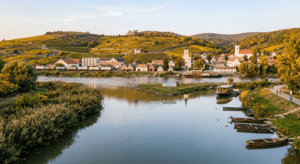
Here’s the thing: Tokaj has been famous for centuries, but that fame has also made it easy to underestimate. Louis XIV of France reportedly called Tokaji Aszú the “wine of kings, king of wines.” That quote gets repeated so often it’s become wallpaper. What doesn’t get repeated is why — the volcanic soil composition, the specific microclimate created by the Bodrog and Tisza rivers, and a centuries-old system of botrytized grape grading that still has no real equivalent anywhere else in the world.
Most travel articles mention the UNESCO status and stop there.
What they skip is the puttonyos system — the traditional measure of sweetness in Tokaji Aszú, rated from 3 to 6 (with 6 being the richest), and the even rarer Eszencia, a wine so concentrated it can take decades to fully ferment. Understanding this before you visit means you’ll actually know what you’re tasting in the cellar, instead of nodding politely while the guide talks.
Some experts argue that Tokaj’s reputation rests entirely on its dessert wines, making it a niche destination. That’s valid if you’re comparing it to Bordeaux or Burgundy for dry wine variety. But if you’re a traveler who wants depth — history you can taste, landscapes that explain the wine, and crowds that haven’t yet reached Tuscany levels — Tokaj is genuinely hard to beat.
The Wine Itself — What You’re Actually Drinking
The three names you need to know before entering any Tokaj cellar are Tokaji Aszú, Furmint, and Hárslevelű. Everything else builds from there.
Tokaji Aszú is the region’s crown jewel — a dessert wine made from grapes individually selected after being affected by noble rot (Botrytis cinerea), shriveled and concentrated on the vine. The result is a wine of extraordinary complexity: apricot, honey, saffron, and a bright acidity that keeps the sweetness from ever feeling heavy. It ages for decades. Bottles from the 1970s still trade at auction.
Furmint is the dry alternative — and it’s having a moment. Winemakers like those at Royal Tokaji Wine Company have been producing single-vineyard dry Furmint for years, and the international wine press has started paying attention. Think of it as Hungary’s answer to white Burgundy, but with more tension and a mineral edge that comes directly from the rhyolite tuff and loess soil beneath the vines.
Or maybe I should say it this way: if you visit Tokaj expecting only sweet wine and leave without trying a dry Furmint, you’ve missed half the conversation.
Hárslevelű — pronounced roughly “harsh-le-vay-you” — is the secondary grape, often blended with Furmint. It adds floral lift and body. You’ll find it in both sweet and dry expressions.
Quick Comparison Table:
Option | Best For | Key Benefit | Limitation Tokaji Aszú | Special occasions, dessert pairing | Unmatched complexity, long aging | Expensive; not an everyday wine Dry Furmint | Dinner wine, white Burgundy lovers | Versatile, mineral, food-friendly | Less globally recognized yet Hárslevelű | Floral, aromatic wine fans | Softer, fragrant, approachable | Harder to find outside Hungary Tokaji Szamorodni | Aperitif or light dessert | Comes dry or sweet, very versatile | Unfamiliar to most visitors Tokaji Eszencia | Pure curiosity, collectors | Rarest expression of botrytis | Almost impossible to buy retail
How to Get to Tokaj from Budapest
Budapest to Tokaj is roughly 230 kilometers northeast. Most visitors do it as a day trip, though staying overnight gives you access to evening tastings and a completely different atmosphere once the tour buses leave.
To get to Tokaj from Budapest, follow these steps:
- Take a direct train from Budapest Keleti station — journey time is approximately 2.5 to 3 hours.
- Book tickets in advance via the MÁV (Hungarian State Railways) website, especially on weekends.
- Arrive at Tokaj train station, which is a short walk from the town center and most cellar entrances.
- For the surrounding villages (Mád, Tarcal, Bodrogkeresztúr), rent a car or arrange a local taxi — public transport between villages is limited.
- Plan cellar visits in advance; most require reservations, especially at Oremus and Disznókő.
Driving takes about 2.5 hours via the M3 motorway. It’s the better option if you want to visit multiple villages in one day, which most serious wine travelers do.
Look — if you’re planning a Central Europe trip that includes Budapest, Vienna, and Bratislava, Tokaj fits naturally as a one-night detour. Don’t try to compress it into three hours. You’ll spend most of that time in one cellar.
The Best Wineries and Cellars to Visit
I’ve seen conflicting recommendations online — some sources push the large, tourist-ready estates, others say only the small producers are worth visiting. My read is that the answer depends entirely on what you want from the experience.
For first-time visitors, Royal Tokaji Wine Company in Mád is the logical starting point. Founded in 1990 with backing from Hugh Johnson and other international wine figures, it produces benchmark Aszú wines across multiple vineyard classifications. Their cellar tour is well-structured without being dumbed down. Their single-vineyard Aszús from sites like Nyulászó and Mézes Mály are the wines that changed how serious collectors think about Hungarian wine.
Oremus, located in Tolcsva and now owned by the Spanish Vega Sicilia group, produces some of the most precise dry Furmint in the region alongside its Aszú range. The cellar itself — carved into the volcanic rock — is worth the visit on its own terms.
Disznókő Estate near Mád is the showpiece property. The vineyard views alone justify the detour.
What most guides skip is Mád as a village destination beyond the wineries. The central square has a stunning 16th-century synagogue (now restored as a cultural center), and several smaller producers operate out of modest cellars on the back streets with no reservation required and prices that reflect a local rather than tourist economy.
https://royal-tokaji.com/our-vineyards/
What to Expect When You Arrive — Practical Details
Tokaj town is small. Very small. The entire center is walkable in about 20 minutes. The famous cellar street, Rákóczi Street, runs along the main axis and houses several tasting rooms within steps of each other.
The best time to visit is either late September through October (harvest season, when the energy of the place is unlike any other time of year) or May through early June (quieter, the vines are flowering, and cellar temperatures are ideal for long tastings). July and August bring more tourists and higher prices without any particular seasonal benefit.
Accommodation options range from guesthouses in Tokaj town itself to larger hotel properties in Eger (about an hour away), which is another excellent Hungarian wine region worth combining into a longer trip.
The currency is Hungarian Forint. Card payments are accepted at most wineries, but smaller cellars and village producers often prefer cash.
Voice Search
Q: What’s the best time of year to visit Tokaj Hungary?
A: Late September to October for harvest season, or May to June for quieter visits. Summer is crowded without added benefits. Avoid January and February — most smaller cellars close.
Q: How do I get to Tokaj from Budapest?
A: Train from Budapest Keleti takes about 2.5 to 3 hours and runs multiple times daily. Driving takes the same time via the M3 motorway and gives more flexibility for visiting surrounding villages.
Q: Should I book winery tours in advance in Tokaj?
A: Yes, for major estates like Royal Tokaji, Oremus, and Disznókő. Smaller village producers in Mád often accept walk-ins, but calling ahead avoids disappointment, especially in autumn.
Q: Why does Tokaj wine taste different from other dessert wines?
A: The volcanic soil, a specific river-valley microclimate that encourages noble rot, and the puttonyos concentration system combine to create a flavor profile — honey, apricot, saffron, bright acidity — that no other region replicates.
Q: When should I try Tokaji Eszencia instead of Aszú?
A: Only if you can find it — it’s extremely rare and expensive. Most visitors should focus on 5 or 6 puttonyos Aszú for a genuine sense of what makes Tokaj extraordinary. Eszencia is collector territory.